


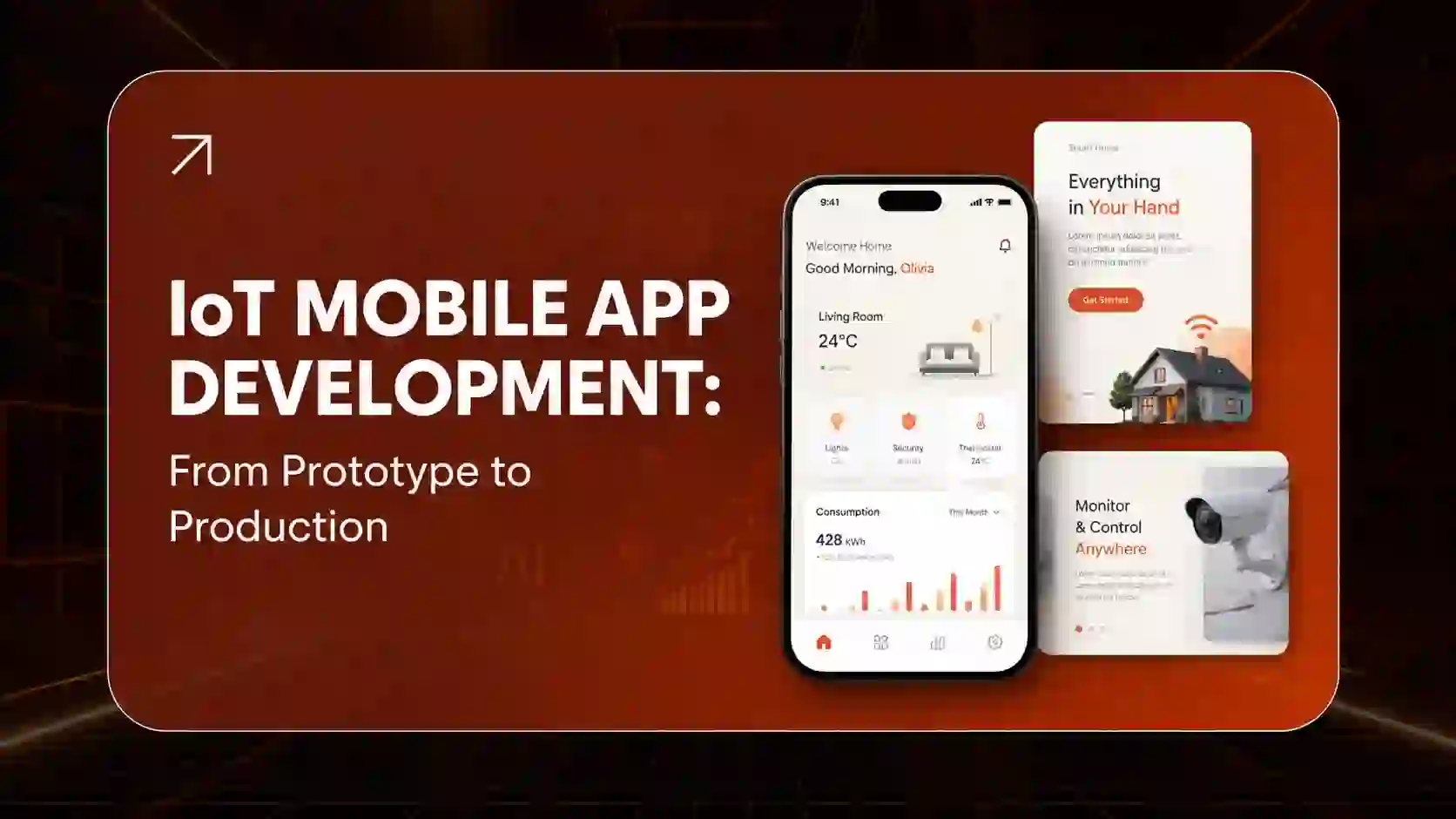
IoT App Development Services: A Practical Overview
The Internet of Things stopped being a buzzword the moment your thermostat started texting your phone. Today, IoT app development services sit at the center of real business problems: factories that need predictive maintenance, hospitals tracking patients remotely, and hardware brands that need a polished companion app before launch day.
This guide walks through how Internet of Things app development actually works, what the six service pillars include, what it costs, which protocols and cloud platforms matter, and how to choose an IoT application development company that won’t leave you with a half-finished device fleet. No fluff, no jargon for the sake of it. Just the practical view from people who build these systems for a living.
What Is IoT App Development?
IoT app development is the process of building the software that connects physical devices, sensors, and gateways to cloud platforms and user-facing applications, so data can be collected, processed, visualized, and acted on in real time.
A standard mobile app talks to a server. An IoT app talks to a thing: a sensor, a wearable, a valve, a vehicle, a factory machine. That one difference changes everything about the architecture, the testing plan, and the team you need.
Custom IoT app development usually covers four connected layers:
- The device layer — sensors, microcontrollers, embedded firmware, and the physical hardware itself.
- The connectivity layer — protocols like MQTT, BLE, Zigbee, LoRaWAN, Wi-Fi, or cellular that move data off the device.
- The processing layer — cloud-based IoT platforms or edge computing nodes that ingest, filter, store, and analyze that data.
- The application layer — the mobile app, web dashboard, or admin portal where a human finally sees something useful.
How IoT App Development Works: The Data Flow
Picture the journey of a single temperature reading inside a cold-storage warehouse:
Sensor → IoT Gateway → Edge or Cloud Processing → End-User Application → Action
- A sensor on the freezer wall reads 8°C.
- The device firmware packages that reading and publishes it over MQTT to a local IoT gateway.
- The gateway forwards it to the cloud, or an edge node evaluates it instantly if latency matters.
- Rules engines compare the value to a threshold. Eight degrees is too warm.
- The mobile app pushes an alert to the shift supervisor, the dashboard logs the event, and an automated ticket opens in the maintenance system.
Every one of those five steps is a place where projects fail if the engineering is sloppy. That is why end-to-end IoT development services exist as a category of their own, rather than being bolted onto a regular app project.
IoT App vs Mobile App Development: What’s the Difference?
Short answer: A mobile app manages data that already exists in a database. An IoT app creates that data by talking to physical hardware, which adds firmware, connectivity protocols, device provisioning, over-the-air updates, and hardware-in-the-loop testing to the scope.
Practical differences you will feel in the budget and timeline:
- Offline behavior is mandatory. Devices lose signal. The app has to handle stale data gracefully instead of showing a spinner forever.
- Pairing and provisioning are real features. BLE pairing flows, QR-based onboarding, and Wi-Fi credential handoff are notoriously fiddly and deserve their own sprints.
- You test against hardware, not mocks. A device farm or test bench is part of the project cost.
- Firmware updates never stop. Over-the-air (OTA) update infrastructure is a launch requirement, not a nice-to-have.
If you’re weighing the app side of this decision, our breakdown of cross-platform vs native app development covers the trade-offs that apply directly to IoT companion apps.
Why IoT App Development Services Matter Right Now
Connected device counts keep climbing year after year, and industry trackers such as IoT Analytics have consistently reported growth into the tens of billions of active endpoints globally. The exact number matters less than the direction: more devices, more data, more pressure on the software layer.
What has genuinely changed in the last two years:
- AI moved onto the device. AIoT and TinyML let small, low-power chips run inference locally, so a camera can classify an image without shipping video to the cloud.
- Edge computing went mainstream. Latency-sensitive use cases stopped waiting on round trips to a data center.
- Security became a compliance issue. Regulators now ask specific questions about device identity, encryption, and patching.
- 5G-enabled IoT apps unlocked new form factors, especially in logistics, mobility, and remote industrial sites.
For business owners, the practical takeaway is simple. Hardware alone no longer differentiates a product. The software experience does, and increasingly so does the data you collect through it.
The 6 Practical Pillars of IoT App Development Services
Most IoT product development company engagements fall into one of these six buckets, or some combination of them.
1. Hardware and Firmware Integration
This is the low-level work that makes physical devices talk. Embedded software development for IoT covers microcontroller programming, sensor drivers, power management, and the communication stack that sits underneath everything else.
What good firmware work includes:
- Board bring-up and peripheral configuration (I2C, SPI, UART)
- Sensor calibration and noise filtering so readings are actually trustworthy
- Power budgeting, which decides whether your battery lasts six weeks or six months
- Secure boot, signed firmware, and reliable OTA update paths
- Device provisioning and unique identity per unit
Practical tip: Ask any IoT software development services vendor how they handle a failed OTA update in the field. If the answer isn’t “the device rolls back to the last known good image,” keep interviewing.
2. Mobile Companion Apps
This is what most people picture when they hear “IoT app.” A brand has built the hardware, and now needs the iOS and Android app that controls it. Smart home app development, wearable app development, and connected device app development all live here.
Core companion app features:
- Device discovery and onboarding (BLE, Wi-Fi, or QR-based)
- Real-time control with optimistic UI so buttons feel instant
- Live telemetry views, history charts, and threshold alerts
- Multi-user access, household sharing, and role permissions
- Firmware update prompts and progress states
React Native and Flutter both work well for IoT companion apps, though native modules are usually still required for deep Bluetooth Low Energy integration. If you’re planning the Android side specifically, our custom Android app development guide is a useful companion read.
3. Cloud Connectivity and Edge Computing
Once data leaves the device, something has to receive it at scale. IoT platform development means designing infrastructure that can absorb millions of small messages without falling over.
Managed services do most of the heavy lifting here. AWS IoT Core and Azure IoT Hub both provide device registries, MQTT brokers, rules engines, and device shadows out of the box. Google Cloud, and open-source stacks built on EMQX or Mosquitto, are viable alternatives depending on your constraints.
Edge computing in IoT applications solves three specific problems:
- Latency. A safety shutoff can’t wait 300 milliseconds for a cloud response.
- Bandwidth cost. Streaming raw video to the cloud is expensive; sending “person detected” is not.
- Resilience. The line keeps running when the internet drops.
Deciding where compute lives is an architecture decision with long-term cost implications. Our cloud vs on-premise comparison walks through that trade-off in plain language.
4. AIoT and Data Analytics
Collecting data is easy. Turning it into decisions is where the value sits. AIoT, the blend of artificial intelligence and IoT, is the fastest-moving part of this field.
Where it pays off:
- Predictive maintenance apps that flag a failing bearing from vibration signatures before it breaks the line
- Anomaly detection across sensor fleets, catching the one unit behaving strangely
- IoT data visualization dashboards that show operations leaders what changed and why
- TinyML models running directly on microcontrollers, using frameworks like TensorFlow Lite for Microcontrollers, so inference happens without a network connection at all
Snippet-friendly answer: TinyML is machine learning that runs on low-power microcontrollers with kilobytes of memory, letting IoT devices make decisions locally instead of sending every data point to the cloud.
If you’re exploring the analytics layer more broadly, see our overview of AI integration in custom software.
5. IoT Security and Compliance
Every connected device is an entry point. IoT cybersecurity solutions are not an optional add-on, and buyers in regulated industries will ask about them in the first meeting.
A credible security approach includes:
- Unique device identity with per-device certificates, never shared credentials
- End-to-end encryption for IoT apps, TLS in transit and encryption at rest
- Secure boot and signed firmware so tampered images won’t run
- Least-privilege cloud policies scoped per device, not per fleet
- A documented patching path for the entire product lifetime
The OWASP Internet of Things Project maintains a widely used list of the most common IoT vulnerabilities, and the NIST Cybersecurity for IoT Program publishes baseline device capability guidance that many US enterprise buyers now reference in their procurement checklists.
6. Industry-Specific Solutions
Generic IoT expertise only goes so far. Vertical knowledge is what separates a working prototype from a deployable product.
- Healthcare IoT. Remote patient monitoring, connected medical devices, and telehealth integrations. These carry HIPAA obligations and often FDA considerations around medical device cybersecurity. Our healthcare software development guide and EHR software development guide cover the compliance groundwork.
- Industrial IoT (IIoT). Factory automation, OEE tracking, condition monitoring, and SCADA integration. Legacy protocol bridges (Modbus, OPC UA) are usually part of the job.
- Smart cities. Traffic sensors, parking systems, waste management, and environmental monitoring at municipal scale.
- Smart agriculture. Soil moisture, irrigation control, and livestock tracking, often over LoRaWAN because of range and power constraints.
- Retail and logistics. Asset tracking, cold chain monitoring, and inventory sensing.
The IoT Technology Stack: Protocols, Platforms, and Frameworks
Naming specific technologies matters, both for your engineering clarity and for how search engines and AI models understand your capabilities.
Connectivity Protocols
- MQTT. The default publish/subscribe protocol for IoT. Lightweight, battery-friendly, built for unreliable networks. The official MQTT specification site is the reference point.
- CoAP. A UDP-based request/response protocol defined in RFC 7252, designed for very constrained devices.
- HTTP/REST. Fine for infrequent updates and simple integrations, heavy for constant telemetry.
- Bluetooth Low Energy (BLE). The standard for short-range device-to-phone links, documented by the Bluetooth SIG.
- Zigbee and Thread. Mesh networking for smart home and building automation, governed by the Connectivity Standards Alliance.
- LoRaWAN. Long range, low power, low bandwidth. Ideal for agriculture and utilities.
- Cellular and 5G. For mobile assets and sites without local infrastructure.
Cloud and Edge Platforms
AWS IoT Core, Azure IoT Hub, Google Cloud IoT-adjacent services, and self-hosted brokers like EMQX or Eclipse Mosquitto. Time-series storage typically means InfluxDB, TimescaleDB, or a managed equivalent. Stream processing usually lands on Kafka or a cloud-native alternative.
Application Frameworks
Flutter and React Native for cross-platform companion apps. Swift and Kotlin for native builds where BLE performance is critical. React, Vue, or Angular for IoT dashboard development. Node.js, Python, and Go dominate the backend layer.
Embedded Layer
C and C++ remain the workhorses for firmware. Rust is gaining serious traction for memory safety on constrained devices. MicroPython suits rapid prototyping. Zephyr RTOS and FreeRTOS handle scheduling on anything non-trivial.
Which programming language is best for IoT development? C and C++ for firmware on microcontrollers, Python for prototyping and data processing, JavaScript or Dart for companion apps, and Go or Node.js for backend services. Most real IoT projects use three or four languages across the stack.
The IoT App Development Process, Step by Step
A disciplined process is what keeps IoT budgets from doubling. Here’s the sequence we follow.
1. Discovery and requirements. Define the use case, the data you actually need, the environment the device lives in, and the compliance constraints. Write it down properly. Our guide to the software requirements document explains how.
2. Architecture design. Choose protocols, decide edge vs cloud split, map the data flow, and plan the security model. This is the most expensive stage to get wrong.
3. Proof of concept. Get one device talking to one dashboard. Prove the connectivity assumption before building anything pretty.
4. Firmware development. Drivers, power management, secure boot, OTA infrastructure.
5. Cloud and backend build. Device registry, ingestion pipeline, rules engine, storage, APIs. Integration work often happens here too; see our API integration services guide.
6. App and dashboard development. Onboarding flows, control screens, alerts, analytics views.
7. Testing. Unit, integration, hardware-in-the-loop, network degradation, and security testing. Field conditions are harsher than lab conditions, always. Our software testing best practices guide applies directly.
8. Pilot deployment. Ten to fifty units in real conditions. Expect surprises. Budget for them.
9. Scale and monitor. Fleet management, observability, and alerting on device health, not just application health.
10. Maintenance and support. Firmware patches, app store updates, cloud cost optimization, and security reviews on a schedule.
For a broader view of how phases sequence, our 7 stages of mobile app development and custom software development timeline articles fill in the detail.
How Much Does IoT App Development Cost?
Short answer: Custom IoT app development typically ranges from roughly $40,000 for a focused companion app on existing hardware, to $80,000–$200,000 for a full stack with cloud infrastructure and dashboards, up to $250,000 and beyond for enterprise IoT app development with firmware, compliance, and multi-tenant fleet management.
Those are realistic US-market bands, not quotes. Actual pricing depends on:
- Whether firmware is in scope. Existing, working hardware cuts cost substantially.
- Number of device types. Each new hardware variant multiplies testing effort.
- Protocol complexity. BLE pairing flows alone can consume weeks.
- Compliance requirements. HIPAA, SOC 2, or FDA pathways add documentation, audit, and process cost.
- Data volume. Cloud ingestion and storage costs scale with your fleet, forever.
- Real-time requirements. Sub-second guarantees are expensive; five-minute intervals are not.
Costs people forget to budget:
- Cloud bills that grow with device count
- Certification and regulatory testing
- A device test lab
- Ongoing security patching for the product’s whole life
- Customer support tooling for hardware issues
For deeper cost modeling, see how much it costs to build an app and custom software development cost in the USA.
Practical tip: If budget is tight, start with a tightly scoped MVP against one device type and one core use case. Our 90-day MVP development guide shows how to scope that properly.
Technical Comparisons Buyers Actually Ask About
Edge Computing vs Cloud Computing in IoT
Edge computing processes data on or near the device for low latency and offline resilience. Cloud computing centralizes processing for scale, storage, heavy analytics, and cross-fleet insight. Most production systems use both.
Use edge when milliseconds matter, bandwidth is expensive, or connectivity is unreliable. Use cloud for historical analysis, model training, fleet-wide reporting, and anything that benefits from elastic compute.
MQTT vs HTTP vs CoAP
MQTT is best for continuous telemetry from many devices because it’s lightweight, persistent, and uses a publish/subscribe model. HTTP is best for occasional requests and easy integration with existing web services. CoAP is best for extremely constrained devices where even MQTT overhead is too heavy.
In practice, MQTT is the default for device-to-cloud telemetry, with HTTPS used for provisioning and administrative calls.
Custom IoT App Development vs White-Label IoT Platforms
White-label platforms get you to market faster and cost less upfront. They also limit your UX, your data ownership, and your ability to differentiate. Custom development costs more and takes longer, but the product is yours, and so is the data.
A reasonable middle path: build custom on top of managed cloud IoT services. You skip the infrastructure grind without surrendering the product experience. The same logic we outline in custom vs off-the-shelf CRM applies here almost exactly.
AWS IoT Core vs Azure IoT Hub
Both handle device registry, MQTT, device twins/shadows, and rules routing competently. AWS tends to win on breadth of adjacent services and serverless integration. Azure tends to win in enterprises already standardized on Microsoft, especially where Active Directory and Azure Digital Twins are in play. The honest advice: choose the cloud your team already operates well.
IoT vs M2M Architecture
M2M (machine-to-machine) usually means a direct, point-to-point link between two devices, often over cellular, with a single purpose. IoT means many devices connected through an IP network to cloud platforms, where data is aggregated, analyzed, and exposed to applications and users.
M2M is a closed loop. IoT is an open ecosystem.
Skills, Roles, and Demand in IoT Development
A capable IoT team is genuinely cross-disciplinary. You typically need:
- Embedded / firmware engineer — C, C++, or Rust, RTOS experience, hardware debugging
- IoT solution architect — protocol selection, edge/cloud split, security model
- Cloud / DevOps engineer — infrastructure as code, ingestion pipelines, observability
- Mobile developer — Flutter, React Native, Swift, or Kotlin, with BLE experience
- Data engineer / ML engineer — time-series pipelines, anomaly detection, TinyML
- QA engineer with hardware experience — someone who owns the test bench
- Security specialist — threat modeling, penetration testing, compliance mapping
- UX designer — because device onboarding is where most consumer IoT products lose users
On demand: embedded and IoT roles remain among the harder engineering positions to fill in the US market, and advertised compensation for experienced embedded engineers and IoT architects commonly sits well above general application-developer ranges. The US Bureau of Labor Statistics projects strong overall growth for software developer roles, and connected-device specializations sit at the scarcer end of that pool.
That scarcity is exactly why many companies use IT staff augmentation to add embedded or cloud specialists for a defined phase rather than hiring permanently. Our staff augmentation for startups guide covers when that model fits.
Real-World Examples of IoT Applications
Smart home. A lighting brand ships bulbs with BLE and a Wi-Fi bridge. The companion app handles scenes, schedules, and voice-assistant integration. The hard part isn’t the lights, it’s onboarding a non-technical customer in under ninety seconds.
Remote patient monitoring. A connected glucose monitor streams readings to a HIPAA-compliant cloud. Clinicians see trends in a dashboard; patients see simple, reassuring numbers. Two very different UX problems from one data stream.
Predictive maintenance in manufacturing. Vibration and thermal sensors on motors feed an edge node that runs an anomaly model locally. Maintenance gets a ticket days before failure. Downtime drops, and so does the emergency-repair budget.
Cold chain logistics. Temperature and GPS sensors in refrigerated trucks report over cellular. If a trailer warms past threshold, dispatch knows before the cargo is lost, not after.
Smart agriculture. Soil moisture sensors on LoRaWAN trigger irrigation only where it’s needed. Water use falls; yield holds steady.
Smart buildings. Occupancy sensors adjust HVAC zone by zone. The energy savings are the business case; the dashboard is how facilities managers prove it.
Common Challenges in IoT Application Development
What are the biggest challenges in IoT app development? Hardware and software integration, device fragmentation across models and firmware versions, security across a distributed fleet, unreliable connectivity, scaling data ingestion cost-effectively, and long-term maintenance of devices already in customers’ hands.
How experienced teams manage each one:
- Fragmentation. Version your device API from day one. Assume old firmware will exist in the field for years.
- Connectivity. Design for offline first. Buffer on the device, sync on reconnect, and show honest UI states.
- Security. Threat model at the architecture stage, not after the pen test.
- Scaling cost. Filter and aggregate at the edge. Don’t pay to store data nobody will query.
- Maintenance. Build fleet observability early, so you can see device health without shipping an engineer to site.
- Scope creep. Lock the MVP. Every “while we’re in there” request costs more on IoT than on a standard app.
Why Choose Leads 360 LLC for IoT App Development
Choosing an IoT application development company is mostly about whether the team has shipped something that had to survive contact with real hardware, real networks, and real users.
Here’s what working with Leads 360 LLC looks like:
- End-to-end capability. Firmware, connectivity, cloud architecture, mobile apps, and dashboards handled under one roof, so nobody gets to point fingers across vendor boundaries.
- Architecture-first engagements. We design the data flow and security model before writing production code, because rework at that layer is the single biggest cost risk in IoT.
- Security and compliance built in. Per-device identity, encrypted transport, signed firmware, and documented patching paths, mapped against the standards your industry actually requires.
- Flexible engagement models. Fixed-scope projects, dedicated teams, or staff augmentation to plug specific skill gaps. Our comparison of dedicated team vs time and material helps you pick.
- Transparent communication. Sprint demos against working hardware, not slideware.
- US-based delivery coverage. Teams serving clients across Florida, New York, and nationwide.
You can explore the full range of our custom software development services and web development services to see how IoT projects connect to the rest of your digital stack.
Locations We Serve
Orlando, Florida. Our Orlando team works closely with hospitality, theme-park technology, healthcare, and logistics operators who need connected systems that hold up under heavy daily use. Local presence means on-site device testing and workshops when a project needs hands on hardware. See our custom software development in Orlando services.
Florida (statewide). From Miami to Tampa to Jacksonville, Florida businesses are deploying IoT in cold chain, marine, property management, and healthcare. We support statewide clients with remote-first delivery and periodic on-site pilots. Learn more about custom software development in Florida.
New York. NYC engagements skew enterprise: building automation, fintech-adjacent security requirements, and retail analytics at scale. Compliance documentation and enterprise integration work tend to carry more weight here, and we scope accordingly.
United States (nationwide). We deliver IoT app development services for clients across all fifty states, working in US time zones with structured reporting. Our custom software development USA practice covers the full delivery lifecycle.
Other major metros. We also support IoT projects in Miami, Los Angeles, Chicago, Austin, San Francisco, Dallas, Atlanta, Seattle, Houston, and Boston. Each market brings its own mix, from industrial IoT in Texas to consumer hardware startups on the West Coast, and our engagement model adapts to the vertical rather than the zip code.
How to Choose an IoT App Development Company
Short answer: Look for proven hardware experience, a named architect on your account, a documented security approach, realistic timelines, clear IP ownership, and a maintenance plan that extends past launch.
Questions worth asking in the first call:
- Which IoT protocols have you shipped in production, and on what hardware?
- Who owns the code, the firmware, and the cloud account when the project ends?
- How do you handle over-the-air updates and rollback?
- What’s your security review process, and can I see a sample threat model?
- How do you test against real devices, and how many do you keep in-house?
- What does support look like in year two and year three?
- Can I speak to a client whose devices are still in the field?
If a vendor can’t answer question three without hesitating, that’s your signal. For a broader evaluation framework, read how to choose a mobile app development company and how to choose a software development company in the USA.
The Future of IoT App Development
Three shifts worth planning for:
AIoT becomes the default. Devices that only report data will feel dated next to devices that decide. Expect on-device inference to move from differentiator to baseline expectation.
TinyML pushes intelligence down the stack. Machine learning on microcontrollers means smarter products with smaller batteries and lower cloud bills. It also means firmware teams need ML literacy.
Security regulation tightens. Baseline requirements around device identity, update capability, and vulnerability disclosure are becoming procurement conditions in the US and mandatory in several other markets. Building to those standards now is cheaper than retrofitting later.
Alongside those, 5G and satellite connectivity keep opening deployment locations that were impossible five years ago, and digital twins are moving from industrial pilots into mainstream operations tooling.
Frequently Asked Questions
What is IoT app development?
IoT app development is the process of building software that connects physical devices and sensors to cloud platforms and user applications, covering firmware, connectivity protocols, cloud infrastructure, and the mobile or web interface where users view and control their devices.
How much does custom IoT app development cost?
Most custom IoT projects in the US range from about $40,000 for a companion app on existing hardware to $200,000 or more for a full stack with firmware, cloud infrastructure, and dashboards. Cost depends mainly on firmware scope, number of device types, compliance requirements, and data volume.
How long does it take to build a companion app for a smart device?
A focused companion app for working hardware typically takes 3 to 5 months. Add firmware development, cloud infrastructure, and compliance work, and a full IoT platform commonly runs 6 to 12 months to production.
Which programming language is best for IoT development?
C and C++ dominate firmware, Python leads prototyping and data processing, Dart or JavaScript power cross-platform apps, and Go or Node.js handle backend services. Most IoT projects use several languages across the stack rather than one.
How do you ensure security in an IoT ecosystem?
Give every device a unique cryptographic identity, encrypt data in transit and at rest, enforce secure boot with signed firmware, apply least-privilege cloud permissions, and maintain a documented over-the-air patching process for the product’s entire lifetime.
What industries use IoT app development the most?
Manufacturing, healthcare, logistics, agriculture, energy and utilities, smart buildings, retail, and consumer electronics. Each has distinct compliance and connectivity requirements, which is why vertical experience matters when choosing a vendor.
What’s the difference between IoT and M2M?
M2M connects two machines directly for a single purpose, often over cellular. IoT connects many devices through IP networks to cloud platforms where data is aggregated, analyzed, and delivered to applications and users.
Do I need custom development, or can I use an existing IoT platform?
Use an existing platform if speed and budget outrank differentiation. Choose custom IoT app development when the user experience, data ownership, or specific integrations are central to your product’s value.
Ready to Build Your Connected Product?
IoT projects reward planning and punish improvisation. The teams that succeed pick their protocols deliberately, design security in from the first sprint, and scope an honest MVP before chasing the full roadmap.
If you’re evaluating IoT app development services, the fastest next step is a technical discovery conversation: what your device does, where the data needs to go, and what has to be true for launch.
Book a consultation with Leads 360 LLC and talk through your IoT roadmap with our engineering team, or explore the advanced services offered by Leads 360 LLC to see how our software, web, and staff augmentation practices fit together.
Your hardware deserves software that keeps up with it.

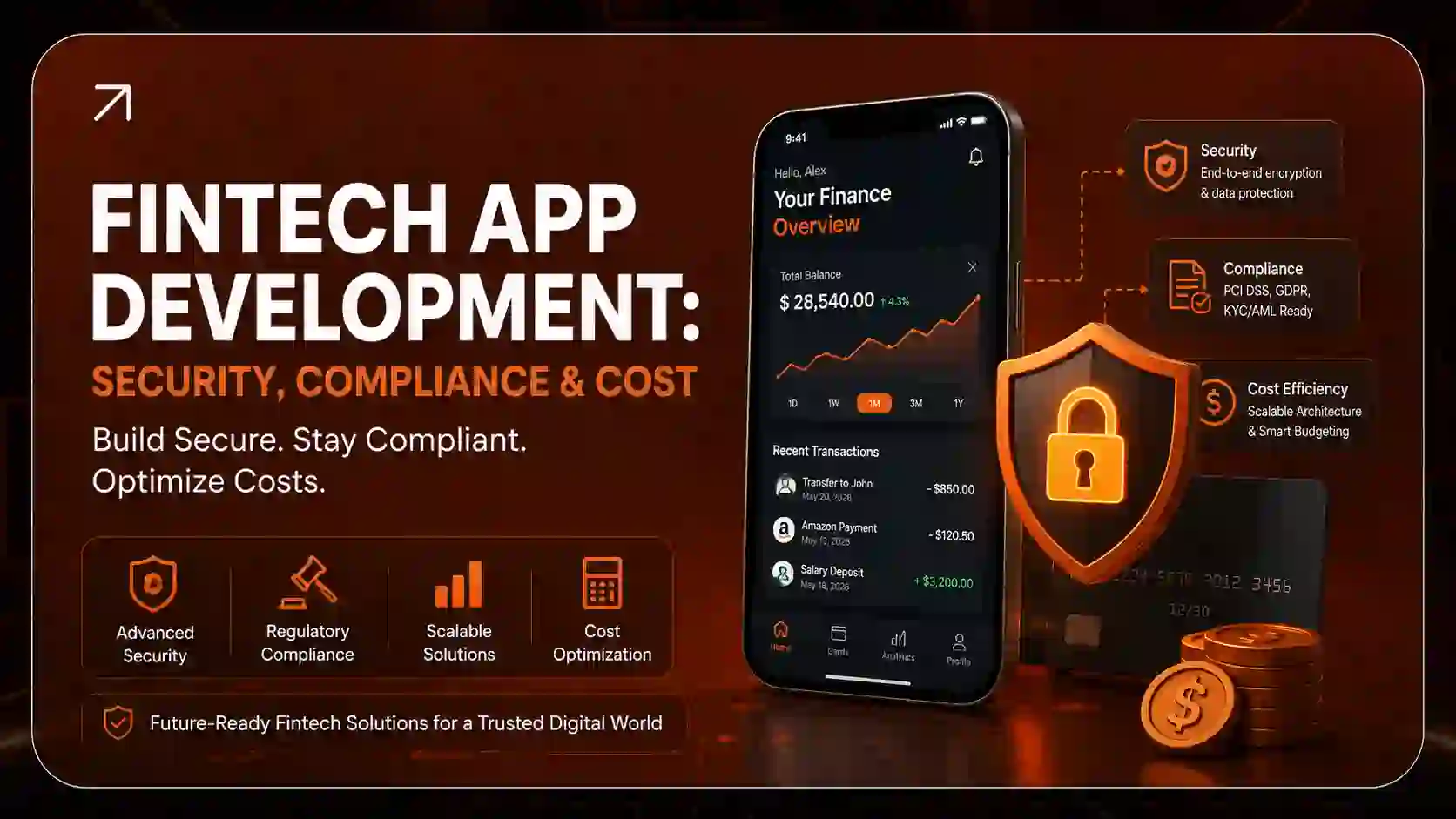
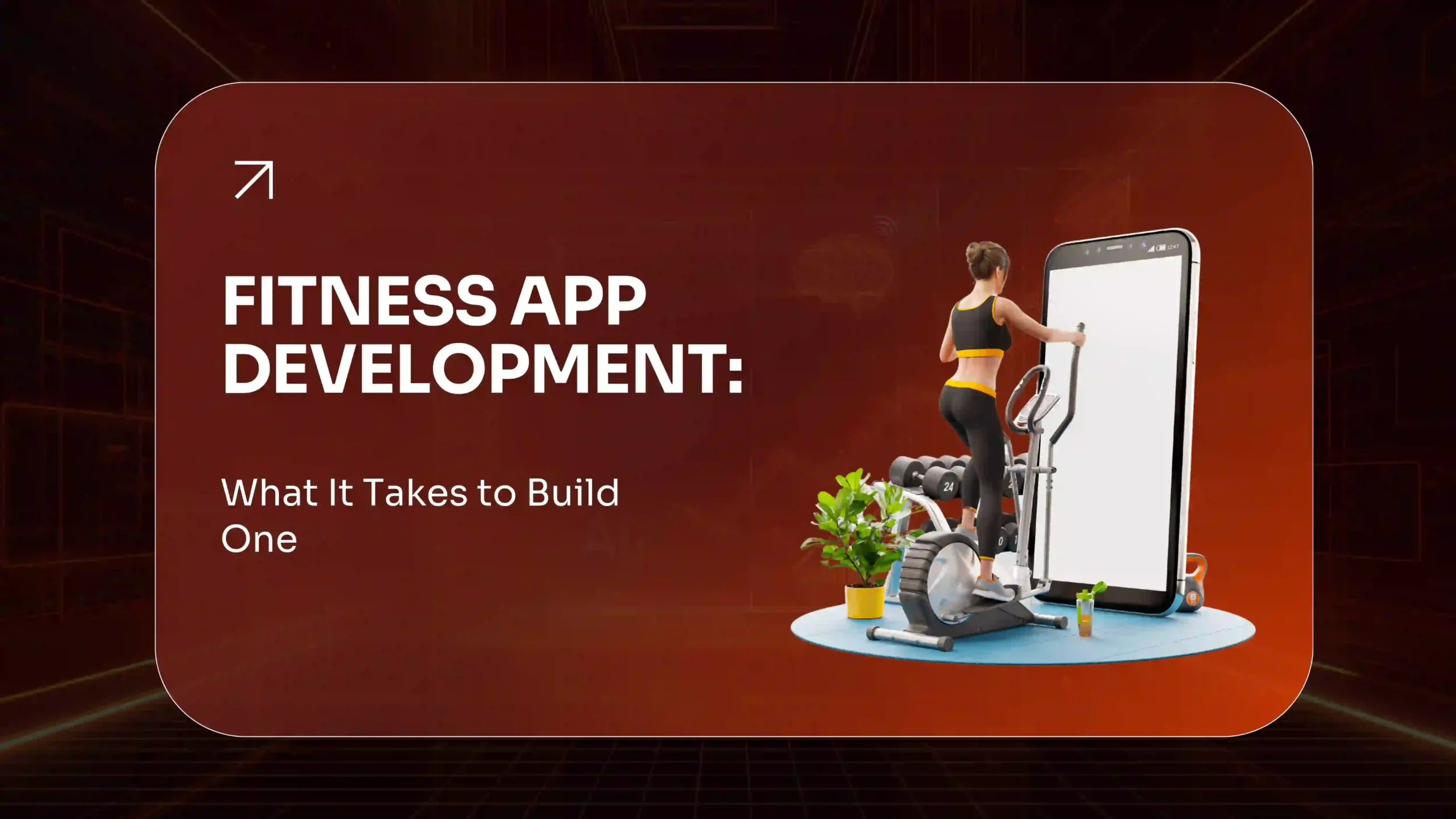
[…] or rowers using Bluetooth Low Energy and IoT sensors. If this is your direction, our guide to IoT app development services explains how device connectivity […]