

Cloud App Development: Benefits, Tools and Best Practices for 2026
Cloud app development has changed how software gets built, shipped and scaled. Ten years ago, launching an application meant buying servers, guessing at future traffic and hoping your hardware held up on launch day. Today, a small team can deploy an app to data centers on three continents before lunch and pay only for the computing power it actually uses.
That shift is why cloud application development is now the default for startups, mid-sized companies and enterprises alike. It is no longer a question of whether to build in the cloud, but how to do it well.
This guide covers what cloud app development is, why it matters, the tools and platforms teams rely on, a step-by-step development process, security and cost practices, real-world examples, and the career opportunities it is creating across the USA. Whether you are a founder building a business case or a CTO choosing an architecture, you will find practical answers here.
What Is Cloud App Development?
Cloud app development is the process of designing, building, deploying and running software applications on cloud infrastructure instead of on local servers or individual devices. The app’s computing, storage and databases live with a cloud provider such as AWS, Microsoft Azure or Google Cloud, and users reach the app over the internet.
In simple terms, the heavy lifting happens on remote servers. Your phone, laptop or browser only displays the results.
How Does Cloud App Development Work?
A typical cloud-based app has three layers working together:
- The front end is what users see and touch: a web interface built with React or Angular, or a mobile app.
- The back end runs business logic on cloud compute services such as AWS EC2, Azure Functions or Google Cloud Run, often written in Node.js, Python, Go, Java Spring Boot or .NET.
- The data layer stores information in managed cloud databases and storage, such as Amazon RDS, MongoDB Atlas, Redis or AWS S3.
These layers talk to each other through APIs. The cloud provider handles the physical hardware, networking and much of the maintenance, so your team can focus on features instead of server rooms.
Cloud-Based vs Cloud-Native Applications
These two terms are often used interchangeably, but they are not the same thing.
Cloud-based app: An application that runs in the cloud but was often designed for traditional servers first. Many were moved over through a “lift and shift” migration. They work, but they rarely use the cloud’s full power.
Cloud-native app: An application built from day one to live in the cloud. It typically uses microservices, containers, serverless functions, automated CI/CD pipelines and auto-scaling.
The short answer: every cloud-native app is cloud-based, but not every cloud-based app is cloud-native. Cloud-native apps scale more easily, recover faster from failures and are cheaper to run at scale, but they require more upfront architectural planning.
Web App vs Cloud App: What Is the Difference?
A web app runs in a browser and relies on a web server to function. A cloud app goes further. It runs on distributed cloud infrastructure, scales computing power automatically based on demand, and often uses microservices and managed services. Many modern web apps are cloud apps, but a basic web app hosted on a single server is not.
Why Cloud App Development Matters in 2026
The numbers explain the momentum. Gartner has forecast worldwide end-user spending on public cloud services to exceed $720 billion in 2025, and that growth has continued into 2026 as AI workloads push demand even higher. You can follow the latest projections on Gartner’s newsroom.
Behind those numbers are three practical realities:
- Customers expect apps that never go down. Even a few minutes of downtime can cost revenue and trust.
- Traffic is unpredictable. A single viral post, product launch or holiday sale can multiply traffic overnight.
- Speed to market wins. Teams that ship weekly beat teams that ship quarterly.
Traditional on-premise infrastructure struggles with all three. The cloud handles them by design. If you are still weighing the two approaches, our detailed cloud vs on-premise comparison breaks down the trade-offs.
Key Benefits of Cloud App Development
The main benefits of cloud app development are scalability, lower upfront costs, faster deployment, built-in reliability, stronger security tooling and global reach. Here is what each one means in practice.
1. Scalability and Elasticity
Cloud apps grow and shrink with demand. Auto-scaling adds servers when traffic spikes and removes them when it drops. An e-commerce store can handle Black Friday without paying for Black Friday capacity the other 364 days of the year.
2. Cost Efficiency with Pay-As-You-Go Pricing
There is no need to buy hardware upfront. You pay for the compute, storage and bandwidth you use. For startups and small businesses, this turns a large capital expense into a manageable operating cost.
3. Faster Time to Market
Managed services remove weeks of setup work. Need a database? Provision one in minutes. Need authentication? Use a Backend as a Service (BaaS) tool like Firebase. Combined with CI/CD pipelines, teams can release updates daily instead of monthly.
4. High Availability and Disaster Recovery
Major cloud providers run data centers across multiple regions and availability zones. If one fails, traffic shifts to another. Automated backups and replication make disaster recovery far simpler than with physical servers.
5. Global Deployment
You can deploy your app close to your users, whether they are in Orlando, London or Singapore. Content delivery networks and edge computing cut latency and improve the user experience.
6. Built-In Security Tools
Cloud providers invest billions in security. You get encryption, identity and access management (IAM), threat detection and compliance tooling out of the box. Security still requires your team’s effort, but the foundation is strong.
7. Easier Innovation with AI and Machine Learning
Cloud platforms offer ready-made AI and machine learning services, from image recognition to large language models. Adding intelligent features no longer requires building a data science team from scratch. Learn more about integrating AI into custom software.
Benefits of Cloud App Development for Small Businesses
For small businesses, the biggest wins are low entry costs, no IT hardware to maintain, remote access for distributed teams and the ability to start small and scale later. A local service company can launch a booking app for a modest monthly cloud bill and grow it only when customers arrive.
Cloud Service Models: SaaS, PaaS, IaaS and FaaS
The four main cloud service models are Infrastructure as a Service (IaaS), Platform as a Service (PaaS), Software as a Service (SaaS) and Function as a Service (FaaS), also called serverless. Each one hands a different amount of responsibility to the cloud provider.
- IaaS (Infrastructure as a Service): You rent virtual machines, storage and networks. You manage the operating system and everything above it. Example: AWS EC2.
- PaaS (Platform as a Service): The provider manages servers and runtime. You deploy code. Examples: Heroku, Google App Engine, Azure App Service.
- SaaS (Software as a Service): Finished software delivered over the internet. Users simply log in. Examples: Salesforce, Slack.
- FaaS (Function as a Service): You write small functions that run only when triggered, and you pay per execution. Examples: AWS Lambda, Azure Functions.
A helpful way to remember it:
IaaS gives you the kitchen. PaaS gives you the kitchen plus the chef’s tools. FaaS cooks one dish on demand. SaaS delivers the meal to your table.
If you are building a subscription product, our SaaS product development guide walks through the full journey.
Cloud Application Architecture Explained
Architecture decides whether your app sails through a traffic spike or crashes under it. These are the patterns that matter most.
Microservices vs Monolithic Architecture
A monolithic app is built as one large codebase. It is simple to start with but becomes hard to update and scale as it grows.
A microservices architecture splits the app into small, independent services, each handling one job, such as payments, search or notifications. Each service can be deployed, scaled and fixed on its own.
Rule of thumb: Start with a well-organized monolith for an MVP. Move to microservices when your team and traffic grow enough that one codebase slows you down.
Many teams over-engineer early. Launching fast with a clean structure often beats building a complex system nobody uses yet. Our 90-day MVP development guide explains this approach.
Serverless Application Development
Serverless computing lets developers run code without managing servers. The cloud provider automatically handles provisioning, scaling and maintenance, and you pay only when your code runs.
Serverless is ideal for event-driven tasks: processing uploads, sending notifications, running scheduled jobs or powering lightweight APIs. The trade-offs include “cold start” delays, execution time limits and tighter dependence on one provider.
Containers, Docker and Kubernetes
Containerization packages an app and all its dependencies into a single portable unit. Docker creates those containers. Kubernetes orchestrates them, handling deployment, scaling, load balancing and self-healing across clusters of machines.
Containers solve the classic “it works on my machine” problem. The same container runs identically on a developer’s laptop, a test server and production.
Serverless vs Kubernetes: Which Should You Choose?
Choose serverless when: workloads are event-driven or unpredictable, your team is small, and you want minimal operations work.
Choose Kubernetes containers when: you run long-lived services, need fine control over the environment, want portability across clouds, or have steady high traffic where per-execution pricing gets expensive.
Many mature systems use both: Kubernetes for core services and serverless functions for background tasks.
Multi-Tenant SaaS Architecture
In a multi-tenant architecture, one app instance serves many customers while keeping their data isolated. It is the backbone of most SaaS products because it reduces costs dramatically. The key challenge is strong data isolation, which must be designed in from day one.
Edge Computing in Cloud Apps
Edge computing runs code closer to users, on servers near their location rather than in a distant central data center. It reduces latency for real-time features like video streaming, gaming, IoT devices and live dashboards. For connected-device projects, see our IoT app development guide.
Multi-Cloud vs Single Cloud
A single cloud keeps things simple and lets you use deep provider-specific features. A multi-cloud or hybrid cloud strategy reduces vendor lock-in and improves resilience, but adds complexity. Most small and mid-sized teams should start with one provider and design their app to stay portable using containers and Infrastructure as Code.
Best Cloud Platforms for App Development: AWS vs Azure vs Google Cloud
AWS, Microsoft Azure and Google Cloud Platform (GCP) are the three leading cloud providers. All three are excellent. The right choice depends on your team’s skills, existing tools and the type of app you are building.
Amazon Web Services (AWS)
AWS is the largest and most mature provider, with the widest range of services. Popular choices include AWS Lambda for serverless, EC2 for virtual servers, S3 for storage and Amazon RDS for managed databases.
Best for: startups and enterprises that want the broadest service catalog and the largest talent pool.
Microsoft Azure
Azure integrates tightly with Microsoft 365, Active Directory and .NET. It is a natural fit for enterprises already running on Microsoft technology and is strong in hybrid cloud setups.
Best for: enterprises invested in the Microsoft ecosystem and regulated industries needing hybrid options.
Google Cloud Platform (GCP)
GCP is known for data analytics, AI and Kubernetes. Google created Kubernetes, and Google Kubernetes Engine remains one of the smoothest managed options. Google Cloud Run makes deploying containers remarkably simple.
Best for: data-heavy apps, AI and machine learning products, and container-first teams.
Other Platforms Worth Knowing
- Firebase: a BaaS platform ideal for mobile apps and fast prototypes.
- Heroku: a developer-friendly PaaS for quick deployments.
- DigitalOcean: simple, predictable pricing for small teams.
- IBM Cloud and Oracle Cloud: strong enterprise and database-focused offerings.
AWS Lambda vs Azure Functions
Both are mature serverless platforms. AWS Lambda has the larger ecosystem and more integrations. Azure Functions shines when your app already uses Azure services or .NET. Performance is comparable for most workloads, so ecosystem fit usually decides.
Best Tools for Cloud Application Development
The best cloud app development tools fall into five groups: containers, Infrastructure as Code, CI/CD, monitoring and data services. Here is the modern toolkit.
Containerization and Orchestration
- Docker for building and running containers
- Kubernetes for orchestrating containers at scale
Infrastructure as Code (IaC)
- Terraform for defining infrastructure across any cloud in code
- AWS CloudFormation for AWS-native infrastructure templates
- Ansible for configuration management and automation
IaC means your servers, networks and databases are written as version-controlled code. You can rebuild an entire environment in minutes and avoid “configuration drift” between staging and production. The Terraform documentation is a great starting point.
CI/CD Pipelines
- GitHub Actions for workflows tied directly to your repository
- GitLab CI/CD for an all-in-one DevOps platform
- Jenkins for highly customizable, self-hosted pipelines
A CI/CD pipeline automatically tests and deploys code whenever developers push changes. It is the engine behind fast, safe releases.
Monitoring and Observability
- Prometheus for metrics collection
- Grafana for dashboards and visualization
- Datadog and New Relic for full-stack observability
You cannot fix what you cannot see. Observability tools show you performance, errors and costs in real time.
Databases, Caching and Messaging
- Amazon RDS for managed relational databases
- MongoDB Atlas for managed NoSQL
- Redis for high-speed caching
- Apache Kafka for real-time data streaming between services
Frameworks and Languages
Popular choices include Node.js, Python, Go, Java Spring Boot and .NET on the back end, with React, Angular and Next.js on the front end. Go and Node.js are especially popular for cloud-native microservices because they are lightweight and fast to start.
Cloud App Development Process: Step by Step
The cloud app development process follows eight core stages: discovery, architecture, platform selection, UX design, development, testing, deployment and ongoing optimization. Here is how each stage works.
Step 1: Discovery and Requirements
Define the problem, target users, core features and success metrics. Document compliance needs early, especially for healthcare or finance. A clear software requirements document prevents expensive changes later.
Step 2: Choose the Architecture
Decide between monolith, microservices or serverless. Plan for data flow, scaling and failure. This is the most important technical decision you will make.
Step 3: Select the Cloud Platform and Tech Stack
Pick your provider, languages, databases and tools based on team skills, budget and long-term needs.
Step 4: Design the User Experience
Create wireframes and prototypes. Cloud apps often serve both web and mobile users, so plan responsive, consistent experiences. Our guide on cross-platform vs native app development helps with mobile decisions.
Step 5: Develop in Agile Sprints
Build in short cycles of one to two weeks. Set up CI/CD from the first sprint, not the last. Read more about choosing between Agile and Waterfall development.
Step 6: Test Thoroughly
Run unit, integration, performance, load and security tests. Cloud application testing should also simulate failures to confirm your app recovers gracefully. Our software testing best practices guide covers this in depth.
Step 7: Deploy with Automation
Use Infrastructure as Code and automated pipelines. Techniques like blue-green or canary deployments let you release updates with near-zero downtime.
Step 8: Monitor, Optimize and Scale
Launch is the beginning, not the end. Track performance, user behavior and cloud spend. Tune auto-scaling rules and refine the app based on real data.
For a broader look at development stages, see our SDLC guide for business owners.
Cloud App Development Best Practices
These are the practices that separate reliable, affordable cloud apps from fragile, expensive ones.
Design for Failure
Assume servers, networks and services will fail at some point. Build in redundancy across availability zones, use health checks and design services to retry gracefully. Resilient apps do not avoid failure; they survive it.
Automate Everything You Can
Automate infrastructure with IaC, testing with CI, and deployments with CD. Manual steps cause human errors and slow teams down.
Keep Services Stateless
Stateless services store session data in external systems like Redis rather than in local memory. This lets any server handle any request, which makes horizontal scaling simple.
Use Managed Services Wisely
Managed databases, queues and authentication save huge amounts of time. Just be aware of how deeply each one ties you to a specific provider.
Build Observability In From Day One
Log, trace and measure everything. Set alerts for errors, latency and unusual spending. The AWS Well-Architected Framework is an excellent reference for these principles, and most of its guidance applies to any cloud.
Follow the Twelve-Factor Principles
The Twelve-Factor App methodology remains a practical blueprint for cloud-native apps, covering configuration, dependencies, logging and process management.
Plan for API-First Integration
Design APIs before building features so your app connects cleanly with partners, mobile apps and third-party tools. Our API integration services guide explains how.
Cloud App Security and Compliance
Cloud app development is secure when teams follow the shared responsibility model: the provider secures the infrastructure, and you secure your code, data, access and configuration. Most cloud breaches come from misconfigurations and weak access controls, not from the provider itself.
The stakes are high. IBM’s Cost of a Data Breach Report places the global average breach cost in the millions of dollars, with US breaches costing even more.
How to Secure a Cloud Application
- Adopt Zero Trust architecture. Never trust any user or service by default. Verify every request.
- Encrypt data at rest and in transit. Use TLS for all traffic and provider-managed encryption keys for storage.
- Apply least-privilege IAM. Give every user and service only the permissions it absolutely needs.
- Enable multi-factor authentication for all administrative accounts.
- Manage secrets properly. Store API keys and passwords in tools like AWS Secrets Manager or Azure Key Vault, never in code.
- Scan continuously. Run automated vulnerability scans on code, containers and dependencies.
- Log and audit everything. Keep tamper-proof logs to detect and investigate incidents.
DevSecOps: Security Built Into the Pipeline
DevSecOps moves security checks into the CI/CD pipeline so vulnerabilities are caught before code ships, not after an incident. It is far cheaper to fix a flaw during development than in production. The OWASP Top 10 is the standard checklist of web application risks every team should know.
Regulatory Compliance: GDPR, HIPAA, SOC 2 and PCI DSS
- HIPAA applies to apps handling US health data.
- PCI DSS applies to apps processing card payments.
- SOC 2 demonstrates strong security controls to business customers.
- GDPR governs personal data of people in the EU.
All major cloud providers offer compliance-ready services, but compliance ultimately depends on how you build and operate your app. Industry-specific guidance is available in our healthcare software development guide and our overview of fintech software development regulations.
How Much Does Cloud App Development Cost?
Cloud app development typically costs between $30,000 and $80,000 for a simple app, $80,000 to $250,000 for a mid-complexity app, and $250,000 or more for enterprise-grade systems. Monthly cloud hosting adds anywhere from under $100 for small apps to tens of thousands of dollars for high-traffic platforms.
What Affects the Cost?
- Number and complexity of features
- Architecture choice (serverless, containers or hybrid)
- Integrations with third-party systems and APIs
- Compliance requirements such as HIPAA or PCI DSS
- Team location and engagement model
- Ongoing maintenance, monitoring and support
For deeper pricing breakdowns, read how much it costs to build an app in 2026 and our custom software development cost guide for the USA.
How to Reduce Cloud App Development Costs
Cloud waste is real. Flexera’s annual State of the Cloud Report consistently finds that organizations believe roughly a quarter or more of their cloud spend is wasted. FinOps, the practice of managing cloud costs as a shared team responsibility, fixes that.
Practical ways to cut costs:
- Right-size resources. Most servers are over-provisioned.
- Use auto-scaling so you never pay for idle capacity.
- Buy reserved instances or savings plans for steady workloads.
- Use spot instances for flexible, interruptible jobs.
- Set budgets and alerts so surprise bills never happen.
- Shut down non-production environments outside working hours.
- Tag every resource so you know which team and feature drives which cost.
Your engagement model matters too. Compare options in our guide to offshore vs nearshore vs onshore software development.
How Long Does It Take to Develop a Cloud App?
A simple cloud app or MVP usually takes 2 to 4 months. A mid-complexity app takes 4 to 8 months, and enterprise systems can take 9 months or longer. See our custom software development timeline for a detailed breakdown.
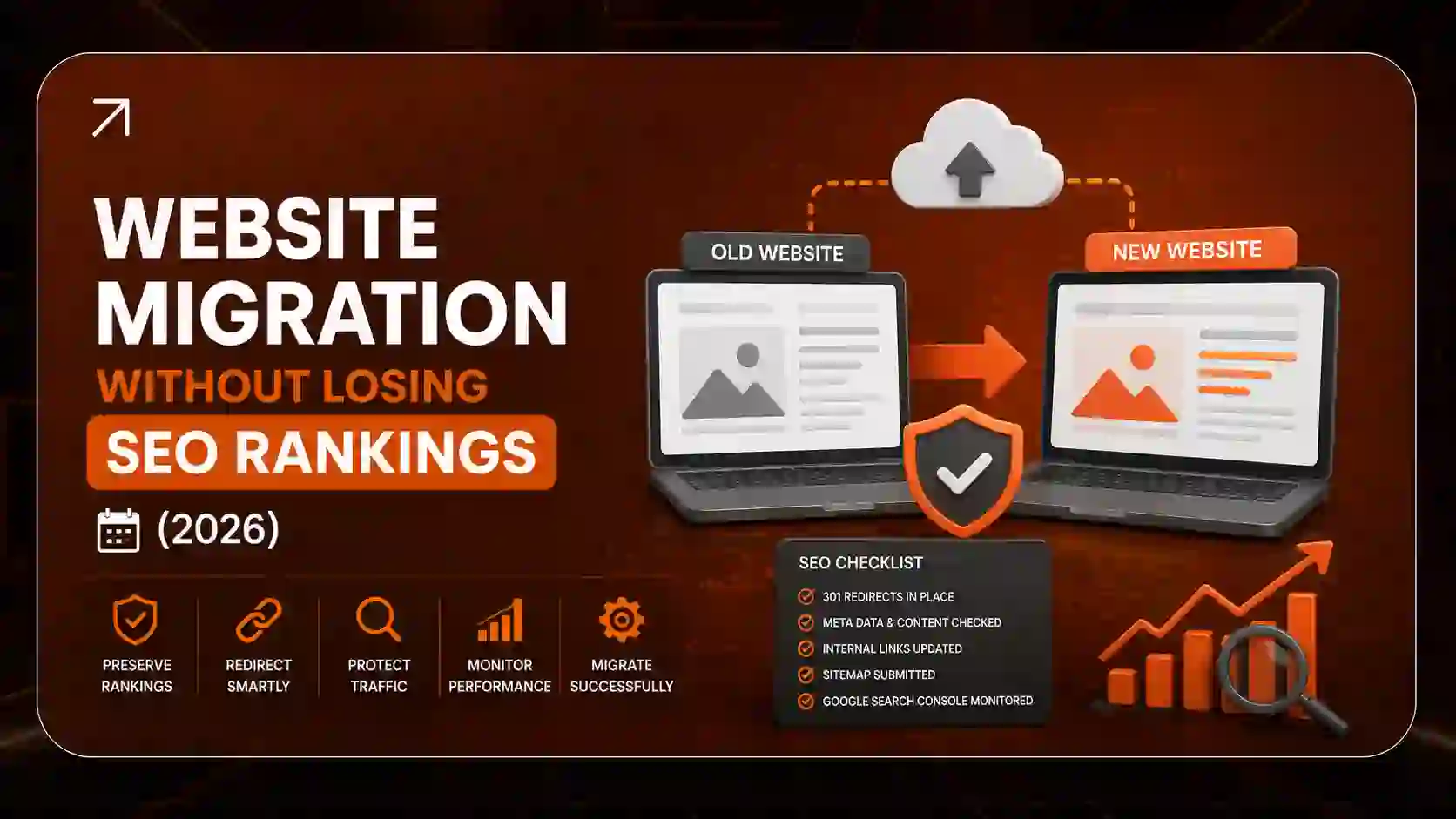
Migrating an Existing App to the Cloud
Yes, you can migrate an existing app to the cloud. The three most common strategies are:
Lift and shift (rehosting): Move the app as-is to cloud servers. Fastest, but you gain few cloud-native benefits.
Replatforming: Make small optimizations, such as moving to a managed database, without rewriting the app.
Refactoring: Rebuild parts or all of the app as cloud-native. Slowest and most expensive upfront, but delivers the greatest long-term scalability and savings.
Many companies start with lift and shift to exit a data center quickly, then refactor high-value components over time. Our legacy software modernization guide explains how to plan this without disrupting operations.
Challenges of Cloud App Development and How to Overcome Them
No technology is without trade-offs. Here are the most common challenges and practical fixes.
- Vendor lock-in: Use containers, open standards and Terraform to keep your app portable.
- Runaway costs: Adopt FinOps practices, budgets and continuous cost monitoring.
- Security misconfigurations: Automate security checks and follow least-privilege access.
- Complexity of distributed systems: Invest in observability and start simpler than you think you need.
- Skills gaps: Train your team or bring in experienced cloud engineers through staff augmentation.
- Latency for global users: Use CDNs, multi-region deployment and edge computing.
Real-World Examples of Cloud App Development
Cloud applications are everywhere, often without users noticing.
- Streaming: Netflix famously moved its entire streaming platform to AWS and built a microservices architecture designed to survive component failures. It has shared much of this engineering openly.
- Collaboration: Tools like Slack, Zoom and Google Workspace run entirely on cloud infrastructure to serve millions of simultaneous users.
- Healthcare: Telehealth platforms use HIPAA-compliant cloud services to handle video visits, records and scheduling securely.
- Fintech: Digital banks and payment apps rely on cloud auto-scaling to process transaction spikes in real time.
- E-commerce: Online retailers scale their storefronts automatically during seasonal sales and flash promotions.
- Logistics: Fleet and supply chain platforms use cloud data pipelines and IoT to track shipments live. See our guide to logistics and supply chain software development.
Cloud App Development Skills, Jobs and Salaries in the USA
Cloud skills are among the most in-demand in American tech. The US Bureau of Labor Statistics projects software developer employment to grow much faster than the average for all occupations this decade, with a median annual wage well above $130,000. Details are available in the BLS Occupational Outlook Handbook.
What Skills Are Needed for Cloud App Development?
- At least one back-end language: Python, Node.js, Go, Java or C#
- Deep knowledge of one major cloud platform (AWS, Azure or GCP)
- Docker, Kubernetes and container orchestration
- Infrastructure as Code with Terraform or CloudFormation
- CI/CD and DevOps workflows
- Cloud security, IAM and networking fundamentals
- Database design for SQL and NoSQL systems
- Monitoring, observability and cost awareness
Popular Cloud Job Roles
- Cloud application developer
- Cloud solutions architect
- DevOps and site reliability engineer (SRE)
- Cloud security engineer
- FinOps analyst
- Platform engineer
Experienced cloud architects and security engineers often earn well into six figures in major tech markets such as San Francisco, Seattle, New York, Austin and Boston, while demand is also growing fast in Florida hubs like Orlando, Miami and Tampa.
How to Learn Cloud App Development (Free and Paid Resources)
Free Resources
- AWS Skill Builder: hundreds of free courses and labs
- Microsoft Learn: structured Azure learning paths
- Google Cloud Skills Boost: hands-on GCP labs
- Kubernetes documentation: official tutorials and concepts
- Free tiers: every major provider offers a free tier so you can build real projects at no cost
Paid Resources and Certifications
- AWS Certified Solutions Architect and AWS Certified Developer
- Microsoft Certified: Azure Developer Associate
- Google Professional Cloud Developer
- Certified Kubernetes Application Developer (CKAD), offered through the Cloud Native Computing Foundation
- HashiCorp Certified: Terraform Associate
Pro tip: Certifications open doors, but a portfolio of real deployed projects closes the deal. Build an app, deploy it with Terraform and a CI/CD pipeline, and document what you learned.
Cloud Application Development Trends for 2026 and Beyond
- AI-native applications: Generative AI and large language models are becoming core app features rather than add-ons.
- Platform engineering: Internal developer platforms give teams self-service infrastructure with built-in guardrails.
- Serverless containers: Services like Google Cloud Run blend container flexibility with serverless simplicity.
- FinOps maturity: Cost awareness is moving into engineering culture and daily decision-making.
- Edge computing growth: More processing is moving closer to users and IoT devices.
- Zero Trust by default: Identity-based security is replacing old perimeter models.
- Sustainability: Companies are choosing regions and architectures that reduce energy use and carbon footprint.
How to Choose a Cloud App Development Company
The right partner can save you months and hundreds of thousands of dollars. Ask these questions before signing:
- Do they have proven cloud experience? Ask for case studies on AWS, Azure or GCP.
- Do their engineers hold relevant certifications?
- How do they handle security and compliance? Look for DevSecOps practices and experience with HIPAA, SOC 2 or PCI DSS if relevant.
- What is their approach to cost optimization? A good partner designs for efficiency, not just features.
- How do they communicate? Expect regular demos, transparent reporting and clear ownership.
- What happens after launch? Confirm support, monitoring and maintenance plans.
- Who owns the code and infrastructure? You should.
For a complete checklist, read our guide on how to choose a software development company in the USA.
Why Choose Leads 360 LLC for Cloud App Development
At Leads 360 LLC, we build cloud applications that are designed to scale, stay secure and keep monthly bills under control. Our team combines hands-on engineering with a business-first mindset, so every architecture decision ties back to your goals.
Here is what sets us apart:
- Full-cycle delivery: from discovery and architecture to development, deployment and ongoing support through our software development services.
- Cloud-native expertise: microservices, serverless, containers, Kubernetes and Infrastructure as Code.
- Security built in: DevSecOps practices and compliance-aware development for healthcare, fintech and enterprise clients.
- Cost-conscious engineering: we design for efficiency so you do not pay for idle capacity.
- Flexible engagement: hire a full team or extend your existing one with our staff augmentation services.
- US-based focus: we serve businesses nationwide through our custom software development services across the USA, with local teams supporting Florida businesses and companies in Orlando.
Need a web platform alongside your cloud app? Our web development team builds fast, modern front ends that connect seamlessly with cloud back ends. You can also explore advanced services at Leads 360 LLC to see everything we offer.
Cloud App Development Checklist
Before launch, confirm that you have:
- Clear requirements and success metrics
- A documented architecture and scaling plan
- Infrastructure defined as code
- An automated CI/CD pipeline
- Unit, integration, load and security testing
- Encryption at rest and in transit
- Least-privilege IAM and MFA
- Monitoring, logging and alerting
- Backups and a tested disaster recovery plan
- Budgets, cost alerts and resource tagging
- Compliance requirements verified
Frequently Asked Questions About Cloud App Development
What is cloud app development?
Cloud app development is the process of building, deploying and running applications on cloud infrastructure provided by platforms such as AWS, Microsoft Azure or Google Cloud. Instead of relying on local servers, the app uses remote computing, storage and databases accessed over the internet, allowing it to scale on demand and reach users anywhere.
What are the benefits of cloud app development?
The main benefits are automatic scalability, lower upfront costs through pay-as-you-go pricing, faster time to market, high availability, built-in disaster recovery, strong security tooling and global reach. Businesses can launch quickly, grow without buying hardware and give users a reliable experience across web and mobile devices.
What is the difference between cloud-based and cloud-native apps?
A cloud-based app runs in the cloud but was often designed for traditional servers and then migrated. A cloud-native app is built specifically for the cloud from the start, using microservices, containers, serverless functions and automated DevOps pipelines. Cloud-native apps usually scale better, recover faster and cost less to run at scale.
What are the best tools for cloud app development?
Top tools include Docker and Kubernetes for containers, Terraform and AWS CloudFormation for Infrastructure as Code, GitHub Actions, GitLab CI/CD and Jenkins for CI/CD pipelines, and Prometheus, Grafana, Datadog or New Relic for monitoring. Managed data services such as Amazon RDS, MongoDB Atlas and Redis complete the stack.
Which cloud platform is best for app development?
AWS offers the widest range of services and the largest talent pool. Microsoft Azure suits enterprises using Microsoft tools and .NET. Google Cloud excels at data analytics, AI and Kubernetes. The best platform depends on your team’s skills, existing systems, compliance needs and the type of app you are building.
How much does it cost to build a cloud application?
Most cloud apps cost between $30,000 and $80,000 for simple builds, $80,000 to $250,000 for mid-complexity apps, and $250,000 or more for enterprise systems. Monthly hosting costs vary from under $100 to several thousand dollars or more, depending on traffic, architecture and data storage needs.
Is cloud app development secure?
Yes, cloud app development is secure when best practices are followed. Providers secure the physical infrastructure, while your team secures code, data and access. Key measures include Zero Trust architecture, encryption at rest and in transit, least-privilege IAM, multi-factor authentication, secrets management and automated DevSecOps scanning in the CI/CD pipeline.
What is serverless app development?
Serverless app development means writing code that runs on demand without managing servers. The cloud provider handles provisioning, scaling and maintenance automatically, and you pay only when your code executes. Popular serverless platforms include AWS Lambda, Azure Functions and Google Cloud Run, which suit event-driven and variable workloads.
What is DevOps in cloud app development?
DevOps is a set of practices that unites development and operations teams to deliver software faster and more reliably. In cloud app development, it relies on CI/CD pipelines, Infrastructure as Code, automated testing and continuous monitoring. DevSecOps extends this by building security checks directly into every stage of the pipeline.
How do you ensure scalability in a cloud app?
Ensure scalability by designing stateless services, using auto-scaling groups or serverless functions, adding load balancers, caching frequent data with tools like Redis, and choosing databases that scale horizontally. Breaking the app into microservices lets each component scale independently, while monitoring helps you tune scaling rules based on real traffic.
Conclusion: Build Smarter, Scale Faster in the Cloud
Cloud app development gives businesses of every size access to the same scalable, secure and global infrastructure that powers the world’s biggest platforms. The difference between a cloud app that thrives and one that struggles comes down to smart architecture, the right tools, disciplined security and constant attention to costs.
Start with clear goals. Choose an architecture that fits your stage, not someone else’s. Automate early, monitor everything and treat security and cost as features, not afterthoughts.
If you are ready to build a new cloud application, modernize a legacy system or migrate to the cloud, the team at Leads 360 LLC is here to help you do it right the first time.
Book a seat at Advance Services offered by Leads 360 LLC. Contact us today for a free consultation and a custom cloud app development quote tailored to your business.